Start with the route, not just the ship. Your departure port, glacier day and time ashore can shape an Alaska vacation as much as the cabin you choose.
A practical, cross-brand guide for your first Alaska cruise, or a more thoughtful return.
Many roundtrips leave from and return to Seattle or Vancouver, visiting Southeast Alaska ports with scenic sailing along the way. The same arrival and departure port can simplify flights, but routes and glacier stops are not interchangeable.
Compare Canadian calls, open-water stretches, port hours and the glacier area actually listed. Vancouver is in Canada, so getting to the ship can involve border and flight-document requirements even before you sail.
One-way Gulf of Alaska
Often Vancouver ↔ Seward or Whittier
Some one-way itineraries connect Vancouver with Seward or Whittier, traveling northbound or southbound. Different start and end points can make a pre- or post-cruise inland Alaska trip practical, but add planning beyond the sailing.
Seward and Whittier are not Anchorage. Plan the transfer separately, check flight connections and allow enough time. Compare land-trip nights, transport, walking demands and included versus optional activities rather than treating an extension as effortless.
Travel documents depend on citizenship, itinerary, flights and any border-crossing excursions. Verify passports, visas, validity rules and other requirements with the cruise operator and relevant government agencies. Do not assume a domestic destination means a document-free journey.
Scenic cruising usually means staying aboard to view the landscape. A port visit means time ashore. A glacier excursion from a port is another separate choice, not a substitute automatically included in the fare.
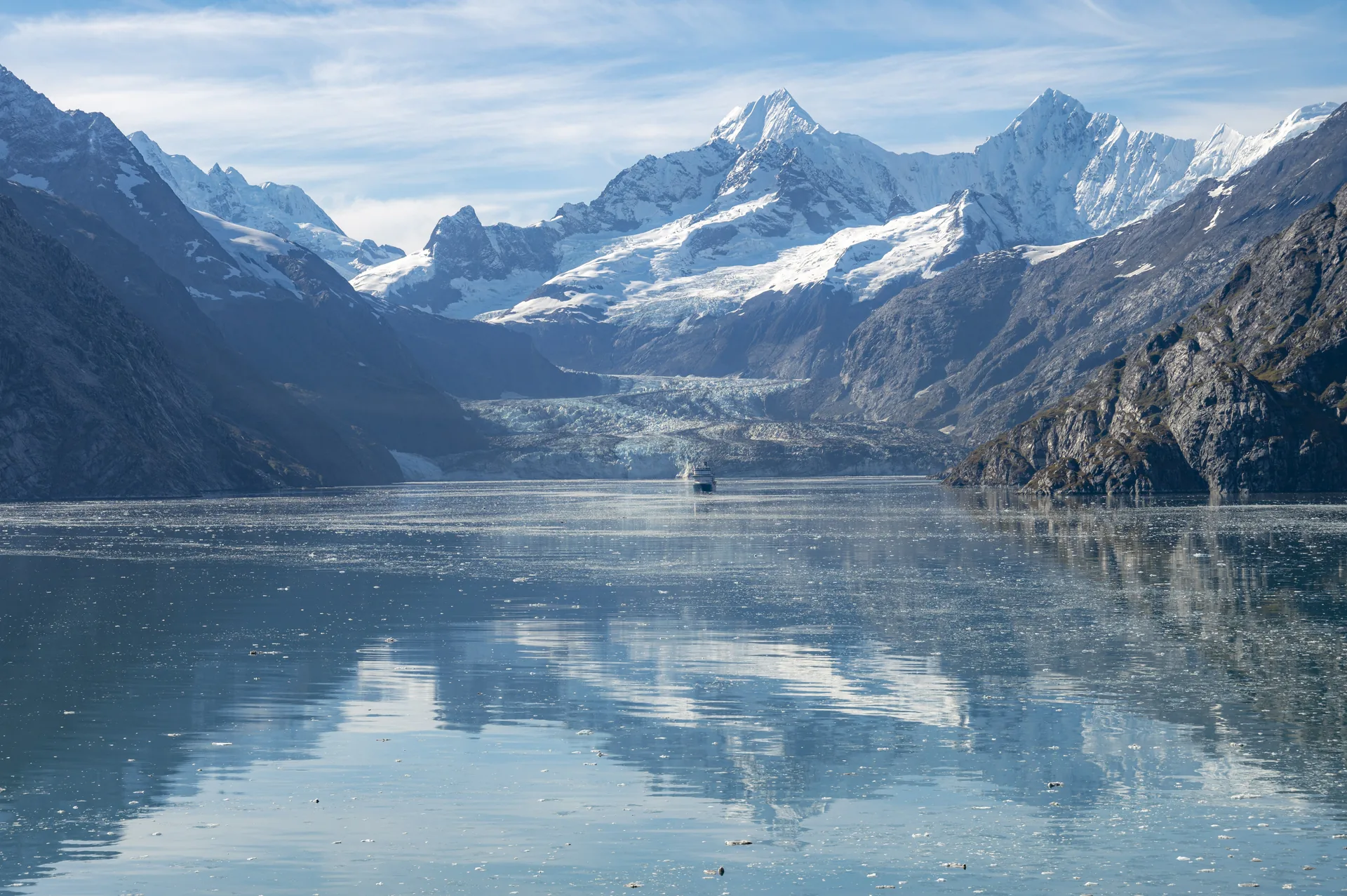
A national park visit is usually a scenic cruising day, not a town stop. Cruise ship access is permitted and limited, so not every Alaska sailing enters the park. Check the named itinerary rather than assuming a particular cruise line or ship includes it.
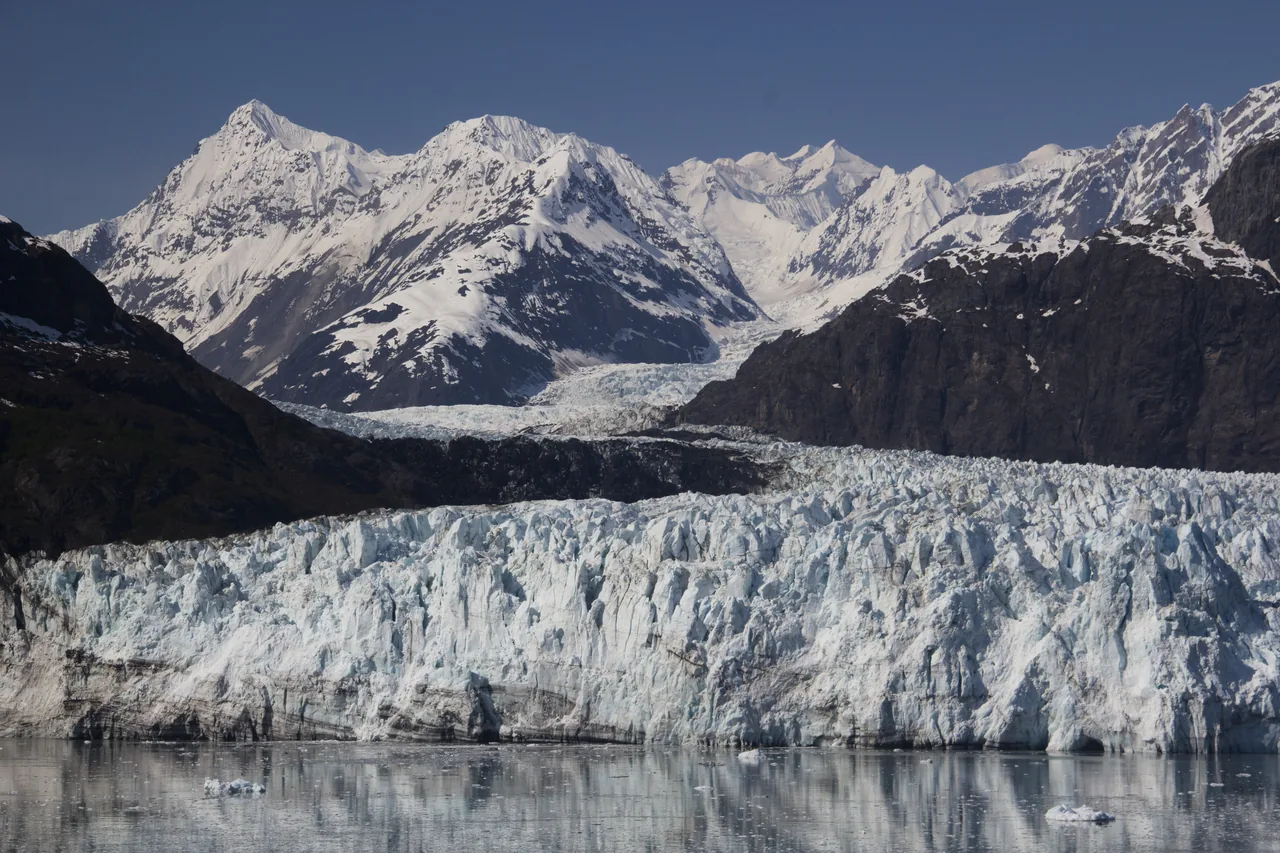
Hubbard Glacier
A large tidewater glacier approached through Disenchantment Bay on some itineraries. The approach and viewing distance depend on ice, weather and safe navigation. A listing does not promise a close encounter or visible calving.
Endicott Arm / Dawes Glacier
A fjord approach with mountain scenery and a tidewater glacier at its head. Ice and conditions can limit how far the ship proceeds. A small-boat excursion, when offered, is a separate experience with its own cost and availability.
The typical Alaska cruise season runs from late spring to early fall. Exact operating dates vary. Choose a period around your available time, preferred pace and activities, not a weather forecast made months ahead.
01 · Late spring
Early season
Cooler days, lingering snow on higher slopes and daylight that is lengthening. Some tours or land-trip services may not yet be operating. Check the specific dates if an excursion is central to your trip.
02 · Summer's longest days
Midsummer
More daylight for exploring and often milder temperatures, though rain and cold spells remain possible. Popular travel periods can be busy. Book around your group's needs, not a promise of clear skies or wildlife sightings.
03 · Toward early fall
Late season
Shorter days and cooler conditions can change the rhythm of the trip. Tour operations and land services may wind down. Rain, wildlife activity and fall color vary by place and year; none is guaranteed.
Look for places to enjoy the scenery in changing weather, dining you will use and an atmosphere that suits your group. These brands are starting points for comparison, not a ranking or a list of currently available sailings.
Princess Cruises
Compare destination programming and cruise-plus-land options if you want to spend more time inland. Look closely at glacier days, land-trip pace and how much transport is involved.
Holland America Line
Worth comparing for a more traditional onboard rhythm, destination focus and land extensions. Check the particular ship's family facilities, entertainment and itinerary.
Royal Caribbean
Consider the ship's activities and entertainment for mixed-age groups. Alaska ships do not all have the same attractions, so compare the actual facilities alongside the route.
Norwegian Cruise Line
Flexible dining and a range of onboard venues may suit travelers who like choosing their evening schedule. Check reservations, bundled-fare limits and extra charges.
Celebrity Cruises
Compare dining, design and comfortable places to spend scenic days. Cabin layouts, balcony designs and fare inclusions differ across ships and categories.
Exact ships, routes and facilities vary by sailing. A brand name does not guarantee Glacier Bay, an attraction or a particular inclusion. Compare 10 cruise lines by vacation style for the wider picture.
Private outdoor space can be lovely for a quiet scenic morning, but cold, rain or wind may change how often you use it. Public decks can give you views in different directions. An ocean-view or interior cabin may leave more room for a meaningful outing ashore.
Check obstructions, balcony design, nearby venues and access to public viewing areas. Neither one side of the ship nor a specific cabin guarantees the best view throughout the trip. Confirm accessibility and sleeping arrangements for your own needs.
Compare more than the cruise fare.
Flights, any border travel, hotels and transfers at both ends, especially on a one-way route.
Port outings and tours, including transport, equipment and cancellation terms.
Taxes and port fees, if not already included, plus gratuities or daily service charges under your fare.
Specialty dining, drinks, internet and other optional onboard purchases.
Travel insurance appropriate to your circumstances, with exclusions and deadlines checked with the insurer.
Fare inclusions vary by operator, package and date. Read the quote to avoid counting included items twice, and keep room for weather-flexible plans rather than committing every port day to a nonrefundable activity.
A city set between mountains and water, with options to explore town or travel farther for glacier and outdoor experiences. A port call here is not the same as a glacier-viewing day; confirm excursion transport and walking demands.
Ketchikan
A waterfront community often explored for coastal scenery, local history and Alaska Native cultural experiences. Leave time for town if a longer boat or flight excursion takes most of your call.
Skagway
Gold-rush history and access to mountain scenery make this a different day from the coastal towns. Rail and road outings can take substantial time; check whether your chosen excursion crosses into Canada and requires additional documents.
Sitka
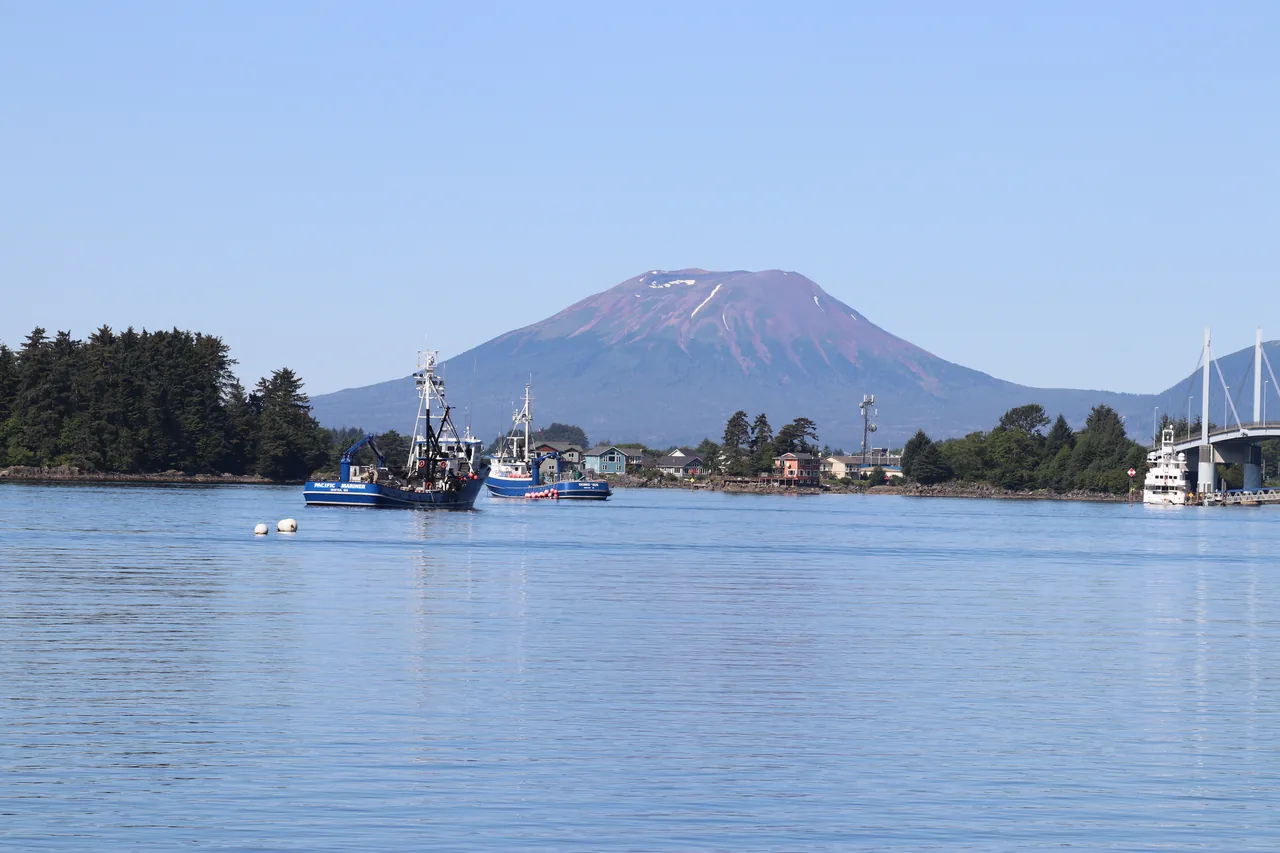
Pacific-facing scenery, Alaska Native heritage and Russian-era history offer a different perspective on Southeast Alaska. Check where the ship arrives and how you will reach town or an excursion meeting point.
Icy Strait Point / Hoonah
Icy Strait Point is a cruise destination near the community of Hoonah, not another name for the town itself. Compare shore activities with time to visit the community, and confirm transport and accessibility arrangements.
Excursions depend on weather, season, availability and provider decisions. Wildlife sightings are not guaranteed. Confirm physical demands, tender or dock arrangements, assistance and return times for your specific outing.
It depends on your citizenship, route and travel arrangements. Alaska is in the U.S., but cruises may start, end or call in Canada, and some excursions cross the border. Certain roundtrip U.S. sailings may allow alternative documents for eligible travelers; that does not make them sufficient for every trip or an unexpected international flight. Verify the exact requirements with your cruise operator and the relevant government agencies before booking.
Will an Alaska cruise make me seasick?
Movement depends on the route, weather and sea conditions. Protected passages do not make an entire sailing motion-free; itineraries may include open-water stretches. A lower cabin nearer midship may feel less movement, but no cabin guarantees comfort. Ask a qualified healthcare professional about suitable precautions if you are concerned.
Is a balcony necessary in Alaska?
No. It can be worthwhile if you value private outdoor viewing, but open decks and public lounges may offer wider views. Think about cold or wet weather, how often you will use it and what you would give up elsewhere in the budget. Compare the cabin's actual view and location, including any obstruction.
Is Alaska a good cruise destination for families?
It can suit families who enjoy scenery and exploring together, but the right fit depends on ages, interests and access needs. Check children's programming on the actual ship, excursion minimum ages, walking demands and cabin arrangements. Long tours or quiet scenic days may need a different pace from a pool-focused vacation.
What is the best month for an Alaska cruise?
There is no best month for everyone. Midsummer offers long days and often milder conditions; earlier or later dates bring different daylight, temperatures and operating seasons. Pick dates that work for your group, then check the activities you care about. Weather and wildlife sightings are never guaranteed.
How should I plan travel to the departure port?
Compare the complete journey before choosing the sailing. Seattle and Vancouver roundtrips let you return to the same cruise port; one-way trips may need flights through different cities. Seward and Whittier are separate from Anchorage and require a planned transfer. Consider arriving before embarkation day, and confirm terminals, border requirements, transfer times and boarding deadlines.
What happens on a scenic cruising day?
You usually stay aboard while the ship travels through a scenic area or spends time near a glacier. It is different from a port call where you go ashore. Exact routes, timing and viewing distance depend on conditions and permissions. Check the itinerary wording and any separately booked boat excursion rather than treating every glacier day as the same experience.
Should I book Alaska excursions in advance?
If an activity matters to you, check availability and booking terms early. Compare duration, transport, physical demands, cancellation rules and how the return time fits the ship's departure. Flights, boat trips and other outdoor outings can change or be canceled because of weather. Keep a workable alternative and understand who handles delays if you book independently.
Tell us what you want to see, who is traveling and how much time you have. We can help compare itinerary, ship, departure port and cabin together, so a promising sailing makes sense as a complete vacation.
Start with your priorities
Glacier scenery, family time, port exploration or an inland extension? We begin with what matters to your group.
Compare the useful differences
We look at the route and onboard experience alongside flights, transfers, cabin options and the full-trip budget.
Work through the details
We help explain fare inclusions and booking terms, and identify the questions to confirm with the operator before you decide.
Bound For Blue operates as an Independent Contractor, not an official representative of any cruise brand. Any planning or service fees will be explained before you commit.
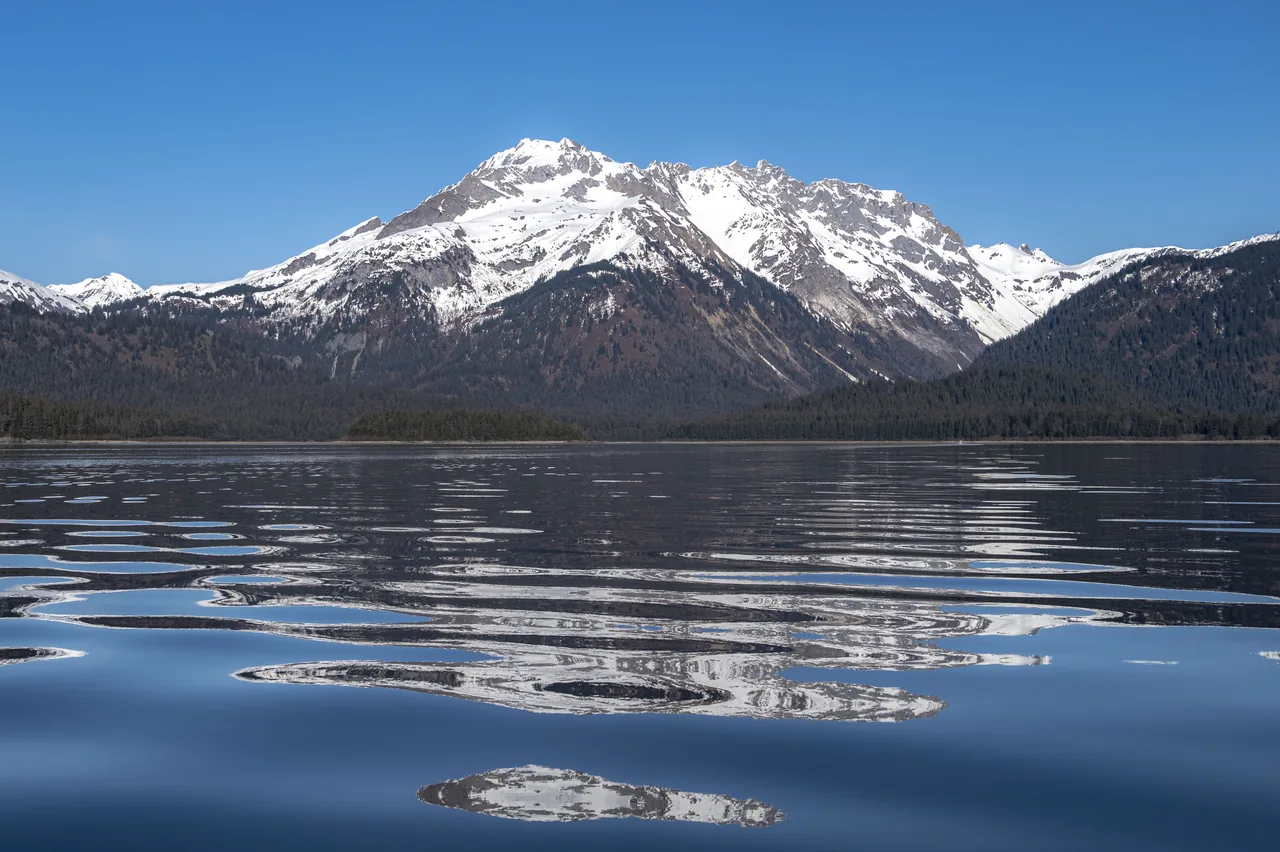
Photographs: National Park Service, public domain. No claim to original U.S. Government works. Photography does not imply endorsement or guarantee itinerary access.